
 English
 Portugues
 Pусский
 Français
 Deutsch
 العربية
 Türk dili
 Indonesia
 Tiếng Việt
Camión cisterna de líquidos
Liquid tanker trucks are specialized heavy-duty vehicles engineered to transport large volumes of liquids safely and efficiently across road networks, serving as vital links in global supply chains spanning energy, agriculture, food production, manufacturing, and industrial sectors. Unlike general-purpose cargo trucks, these vehicles are purpose-built to address the unique challenges of liquid transport, including weight distribution, stability, spill prevention, and cross-contamination avoidance.The core component of a liquid tanker is its primary container, the tank, constructed from materials matched to the cargo type: food-grade stainless steel for consumables like milk, juice, or edible oils, lightweight aluminum for fuel and non-corrosive chemicals, and corrosion-resistant carbon steel for harsh industrial liquids. Tanks typically feature an elliptical cross-section rather than a rectangular shape, which evenly distributes the load’s weight along the chassis, reduces the vehicle’s center of gravity, and minimizes the risk of tipping during turns or sudden maneuvers. Internal baffles—partition structures running along the tank’s length—are another critical design element; they limit the sloshing of liquid, which would otherwise shift weight unpredictably and compromise vehicle stability. Tank capacities range widely, from compact units holding 5,000 liters for local deliveries to long-haul models carrying over 40,000 liters of bulk cargo.Safety is non-negotiable in liquid tanker operations. Sealed loading and unloading connections prevent leaks, while vapor recovery systems capture volatile fumes from fuels or solvents, reducing environmental emissions and explosion risks. Pressure relief valves are integrated to accommodate temperature-driven expansion of liquids, such as gasoline heating in direct sunlight. For hazardous cargo like corrosive chemicals or toxic substances, additional protections include reinforced tank walls and leak detection sensors. All tankers are equipped with emergency tools: fire suppression systems, spill containment booms, and high-visibility markings to alert other road users of their cargo type.Operational demands further distinguish these trucks. Drivers require specialized training to handle the longer stopping distances, slower turning radii, and reduced maneuverability associated with heavy liquid loads. Compliance with strict regulatory standards—including load limits, safety certifications, and cargo documentation—is mandatory to avoid incidents. Modern liquid tankers also incorporate advanced technology: telematics systems monitor real-time data such as load temperature, tank pressure, and vehicle location, enabling proactive maintenance and route optimization. A specialized subset, cryogenic tankers, uses insulated, pressure-rated tanks to transport liquefied gases like LNG or oxygen, maintaining ultra-low temperatures to keep cargo in stable liquid form.Across every use case, liquid tanker trucks balance efficiency, safety, and adaptability, ensuring that essential liquids reach their destinations without compromising public safety or environmental integrity. (Word count: 498)
Producto
Categoría:
-
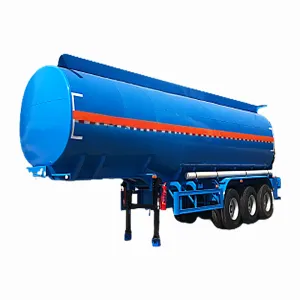
Camión cisterna de líquidos de calidad alimentaria para transporte de leche, agua y aceite comestible
Su clasificación: Camión cisterna de líquidosVistas: 812Número:Tiempo de liberación: 2026-06-16 09:41:45El camión cisterna de líquidos de calidad alimentaria para el transporte de leche, agua y aceite comestible está diseñado para compradores extranjeros que necesitan equipos confiables para camiones cisterna de líquidos para el transporte de leche, suministro de agua potable, movimiento de aceite comestible, logística de plantas de alimentos y distribución de líquidos limpios. Este producto combina un chasis reforzado, un rendimiento de carga práctico, una configuración lista para la exportación y un servicio receptivo de Junchi Trailer Heavy Industry. Es adecuado para contratistas, flotas logísticas, concesionarios, empresas mineras, equipos de construcción y distribuidores que buscan equipos de transporte duraderos con especificaciones claras. Los compradores que busquen un camión cisterna para líquidos de calidad alimentaria para el transporte de leche, agua y aceite comestible pueden utilizar este modelo para operaciones diarias, entrega de proyectos y expansión de flota a largo plazo, mientras reciben soporte de configuración para las condiciones de las carreteras locales, las necesidades de carga útil y los requisitos de envío.
Noticias
Categoría:
¡Sin resultados de búsqueda!
Caso
Categoría:
¡Sin resultados de búsqueda!
Video
Categoría:
¡Sin resultados de búsqueda!
Descargar
Categoría:
¡Sin resultados de búsqueda!
Reclutamiento
Categoría:
¡Sin resultados de búsqueda!
Productos recomendados
¡Sin resultados de búsqueda!



 Teléfono